

Why Small Roof Repairs Matter: The Cost of Waiting
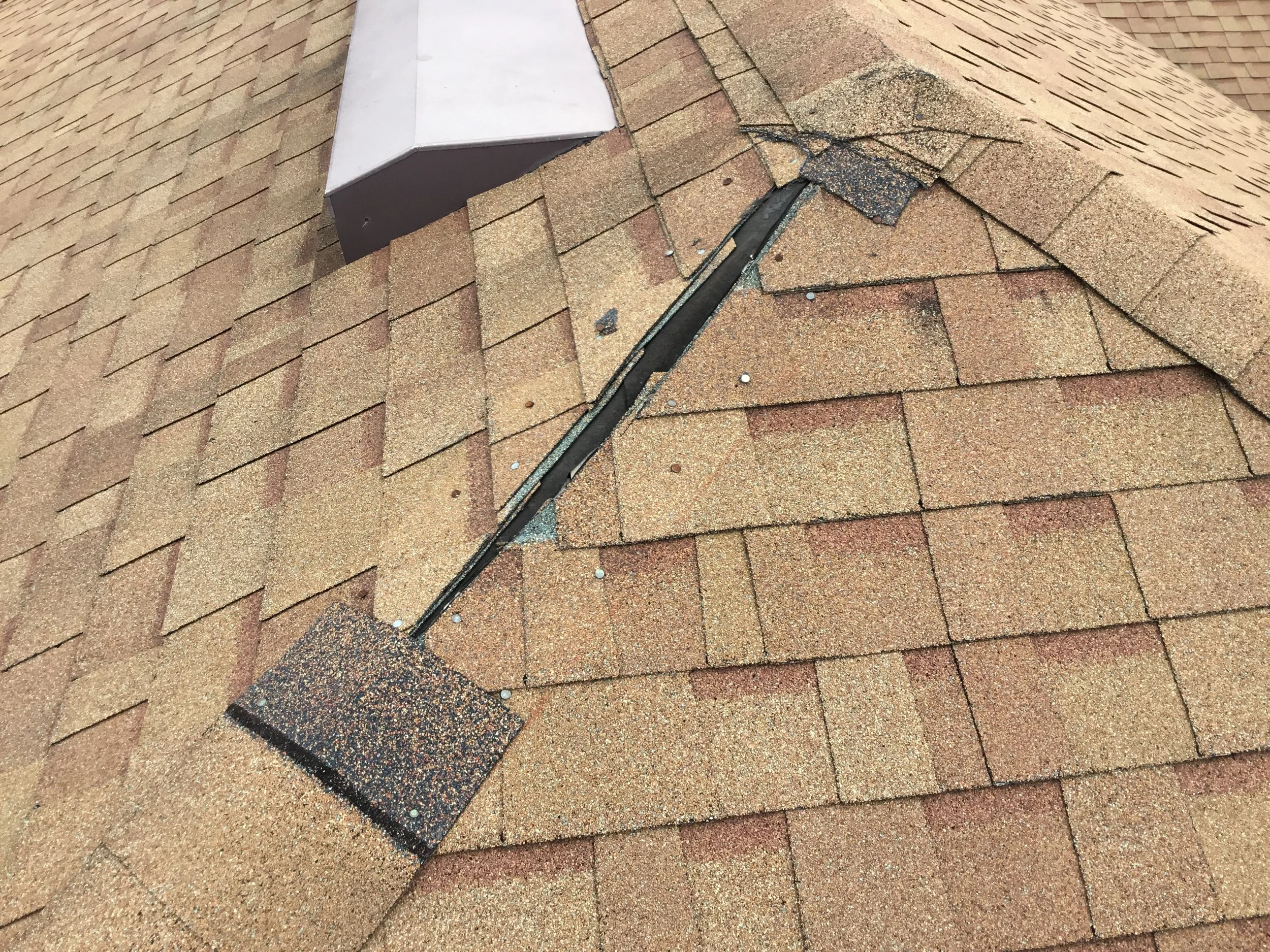
Missing Cap Shingles after Hurricane Winds
Many homeowners assume that if a roof problem is small, it can safely be ignored for a while. A minor stain on the ceiling, a few damaged shingles, or a tiny drip during heavy rain can feel easy to postpone—especially when life is busy and nothing seems urgent.
In reality, small roof issues rarely stay small.
Roofs are designed as layered systems that either work together to protect your home or gradually allow damage to spread when something fails. What looks like a minor concern today can quietly grow into a much larger problem over months or years.
This guide explains, in plain language, why small roof repairs matter, what actually happens when you wait, and how thoughtful timing can save homeowners stress, money, and disruption.
Why “Small” Doesn’t Mean Harmless
When a roof begins to fail in one area, it rarely affects only that single spot.
Water does not sit still. It moves along seams, fasteners, and wooden framing until it finds a path inside. That means the visible problem—such as a stain on a ceiling—may be far from where the roof actually needs attention.
What starts as a small opening can slowly expose larger sections of your roof structure to moisture. Over time, this can weaken materials that were never meant to get wet.
Understanding this connection helps explain why minor repairs are often more important than they appear.
What Happens When You Wait
Delaying roof repairs doesn’t pause the problem—it allows it to evolve.
Here is how that usually unfolds:
Initial exposure – A shingle lifts, a seal weakens, or a fastener loosens.
Water intrusion begins – Moisture enters occasionally, often only during heavy rain.
Hidden damage develops – Wood, insulation, or underlayment slowly absorbs moisture.
Visible signs appear – Stains, odors, or soft spots show up inside the home.
Bigger repairs become necessary – What could have been a simple fix now requires structural or interior work.
At every step, the problem grows—not because of bad luck, but because water is persistent.
The Hidden Cost of Waiting
The financial impact of waiting is often much greater than homeowners expect.
A small repair might involve replacing a few damaged materials or resealing a vulnerable area. Delayed repairs, however, may require:
Replacing roof decking (the wood beneath the roof)
Repairing or replacing insulation
Fixing stained or damaged ceilings
Addressing mold or moisture issues inside the home
These secondary costs can far exceed the original repair.
In this sense, prompt attention is not just preventative—it is often the most economical choice.
Emotional Stress You Didn’t Plan For
Beyond money, waiting can create ongoing stress.
Homeowners may start to worry every time it rains. They might check ceilings repeatedly, place buckets in certain areas, or feel uneasy during storms.
What began as a minor issue becomes a constant mental burden.
Addressing small problems early often restores peace of mind long before it protects your wallet.
Why Early Action Feels Better Than Emergency Action
Repairs made early are usually:
Easier to schedule
Less disruptive to daily life
More predictable in cost
Less likely to involve interior damage
Emergency repairs, on the other hand, often feel rushed, stressful, and expensive.
Acting sooner allows homeowners to stay in control rather than reacting under pressure.
Not Every Small Issue Needs Immediate Work
It’s important to be clear: not every minor roof change requires urgent repair.
Some signs simply need monitoring rather than action.
The key is understanding the difference—through inspection or professional guidance—so you know when waiting is reasonable and when it isn’t.
This balanced approach avoids both panic and neglect.
How to Think About Timing
Instead of asking, “Can I ignore this?” a better question is:
“What is likely to happen if I wait?”
If waiting increases risk, cost, or stress, early repair is usually the wiser choice.
If waiting poses little risk, then monitoring may make more sense.
Thoughtful timing is about understanding consequences, not rushing decisions.
Small Repairs as an Investment in Your Home
Fixing minor roof issues is not just maintenance—it is protection.
You are preserving:
Your roof’s structure
Your home’s interior
Your comfort and peace of mind
Your long-term property value
In this way, small repairs are less like expenses and more like investments.
Peace of Mind Through Proactive Care
A home that is cared for proactively feels different.
Instead of worrying about what might go wrong, homeowners can trust that small issues are being handled before they grow.
That sense of control is one of the greatest benefits of addressing minor roof problems early.
The Bigger Picture
Roofs don’t fail overnight—they deteriorate gradually.
By paying attention to small issues and addressing them thoughtfully, homeowners protect not just their roof, but the entire home beneath it.
In the end, caring for small problems today often prevents big ones tomorrow—and that’s a choice most homeowners are glad they made.
If you’re wondering whether a small roof issue is worth addressing now—or whether it can safely wait—a calm, professional conversation can help you understand your options and feel confident about your next step.