
How Your Roof Influences Your Home’s Energy Efficiency and Comfort
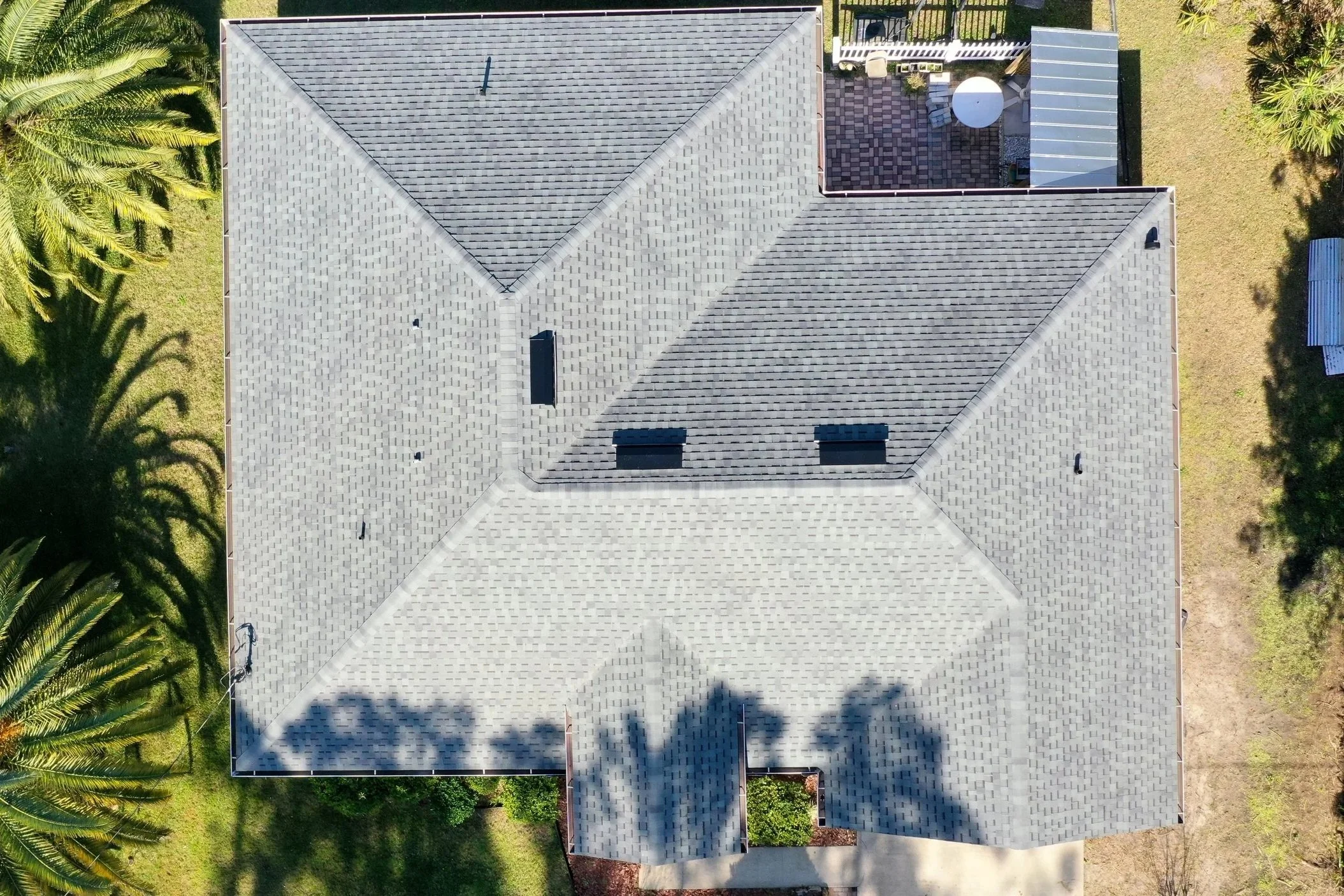
Light Color Shingle Roof - Reflects More Sunlight
Most homeowners think about energy efficiency in terms of air conditioners, insulation, or windows. The roof rarely enters the conversation—even though it is one of the most powerful influences on how comfortable and efficient a home truly is.
Your roof is not just a shield against rain. It is a large surface that absorbs heat, reflects sunlight, protects insulation, and interacts with the air inside your attic. Together, these factors shape how hard your home has to work to stay cool in summer and warm in winter.
Understanding this relationship doesn’t require technical knowledge. It simply means seeing your roof as part of a larger system that affects comfort, energy bills, and long-term performance.
This guide explains, in plain language, how your roof influences energy efficiency, why some homes feel better than others, and how small differences in roofing can add up over time.
Your Roof Is Your Home’s First Line of Defense Against Heat
On a sunny day, your roof receives far more direct sunlight than any other part of your home. Dark surfaces absorb heat, while lighter surfaces reflect it. This simple difference can significantly affect how warm your attic and living spaces become.
When a roof absorbs large amounts of heat, that warmth slowly transfers downward into the attic and, eventually, into your home. Your air conditioning system then has to work harder to maintain comfortable temperatures.
When a roof reflects more sunlight instead, less heat enters the home. This doesn’t mean your house will feel cold—it means your cooling system doesn’t have to fight as hard against the sun.
Over time, this difference can reduce energy usage, lower cooling costs, and make your home feel more consistently comfortable.
The Hidden Role of Your Attic
Between your roof and your living space sits your attic, which acts like a buffer zone.
If the attic becomes extremely hot, that heat radiates downward into bedrooms, hallways, and common areas. Even well-functioning air conditioning struggles in that situation.
A roof that manages heat well—through color, materials, and ventilation—helps keep attic temperatures more stable. This makes the entire home easier to cool and more pleasant to live in.
This is why two homes that look similar from the outside can feel very different indoors.
How Roofing Materials Affect Temperature
Different roofing materials behave differently in the sun.
Some materials naturally absorb more heat, while others reflect it more effectively. Color also plays a role: darker roofs tend to retain more heat, while lighter roofs reflect more sunlight.
However, performance is not just about color. The structure of the material, its coatings, and how it is installed all influence how much heat actually enters the home.
Homeowners don’t need to become material experts. The key idea is this: your roof choice has a direct impact on comfort and energy use.
Why Insulation Works Best With a Healthy Roof
Insulation is often discussed as the primary way to improve energy efficiency, but it doesn’t work in isolation.
If your roof allows excessive heat into the attic or permits moisture buildup, insulation becomes less effective. Damp insulation, in particular, loses much of its ability to regulate temperature.
A well-performing roof protects insulation by keeping it dry and reducing extreme temperature swings above it. In this way, your roof and insulation work together as a team.
When both are functioning properly, your home feels more balanced and your energy bills are easier to manage.
The Comfort You Feel Every Day
Energy efficiency isn’t just about numbers on a bill—it’s about how your home feels.
Homes with better roof performance often have:
Fewer hot spots in upper rooms
More even temperatures from room to room
Less strain on heating and cooling systems
A more comfortable indoor environment year-round
These benefits are subtle but meaningful. They shape how you experience your home every single day.
Why Small Differences Add Up Over Time
The impact of your roof on energy efficiency may seem minor on any given day, but it accumulates over years.
Slightly higher attic temperatures, repeated day after day, increase energy use and place more stress on your HVAC system. Over time, this can lead to:
Higher utility costs
More frequent HVAC repairs
Shorter lifespan for cooling equipment
A roof that supports efficiency helps reduce these long-term burdens.
When Energy Problems Point Back to the Roof
Sometimes homeowners notice rising energy bills or uncomfortable rooms without realizing the roof may be part of the issue.
Common signs that roof performance may be affecting efficiency include:
Consistently hot upstairs rooms
Air conditioning running constantly in summer
Large temperature differences between floors
These symptoms don’t always mean your roof is failing—they simply suggest that your roof, attic, and insulation may not be working together as effectively as they could.
Balancing Appearance and Performance
Homeowners naturally care about how their roof looks. Curb appeal matters. But appearance and performance do not have to be in conflict.
Many modern roofing options allow homeowners to choose styles and colors they love while still supporting better energy efficiency.
The goal is not to sacrifice beauty for function—it is to find harmony between the two.
Thinking of Your Roof as Part of Your Home’s System
When you see your roof as part of a larger energy system, your perspective changes.
Instead of thinking only about leaks or storm damage, you begin to consider how your roof affects comfort, efficiency, and long-term value.
This broader view helps you make more informed decisions when repairing, maintaining, or replacing your roof.
Quiet Benefits You Live With Every Day
The best energy-efficient roofs don’t draw attention to themselves. They simply make life inside the home feel easier.
You notice fewer temperature swings, less strain on your HVAC system, and a more comfortable living space overall.
These benefits may not be dramatic, but they are deeply meaningful over time.
Peace of Mind Through Understanding
You don’t need to become an engineer to appreciate how your roof affects energy efficiency.
Simply knowing that your roof plays a role empowers you to ask better questions, notice patterns, and make thoughtful choices about your home.
In the end, a roof that supports efficiency doesn’t just save money—it supports comfort, stability, and peace of mind for years to come.
If you’ve noticed uneven temperatures, rising energy bills, or just want clarity on how your roof affects your home, a calm, professional conversation can help you understand what’s happening and what matters most.