
Roofing Terms Explained
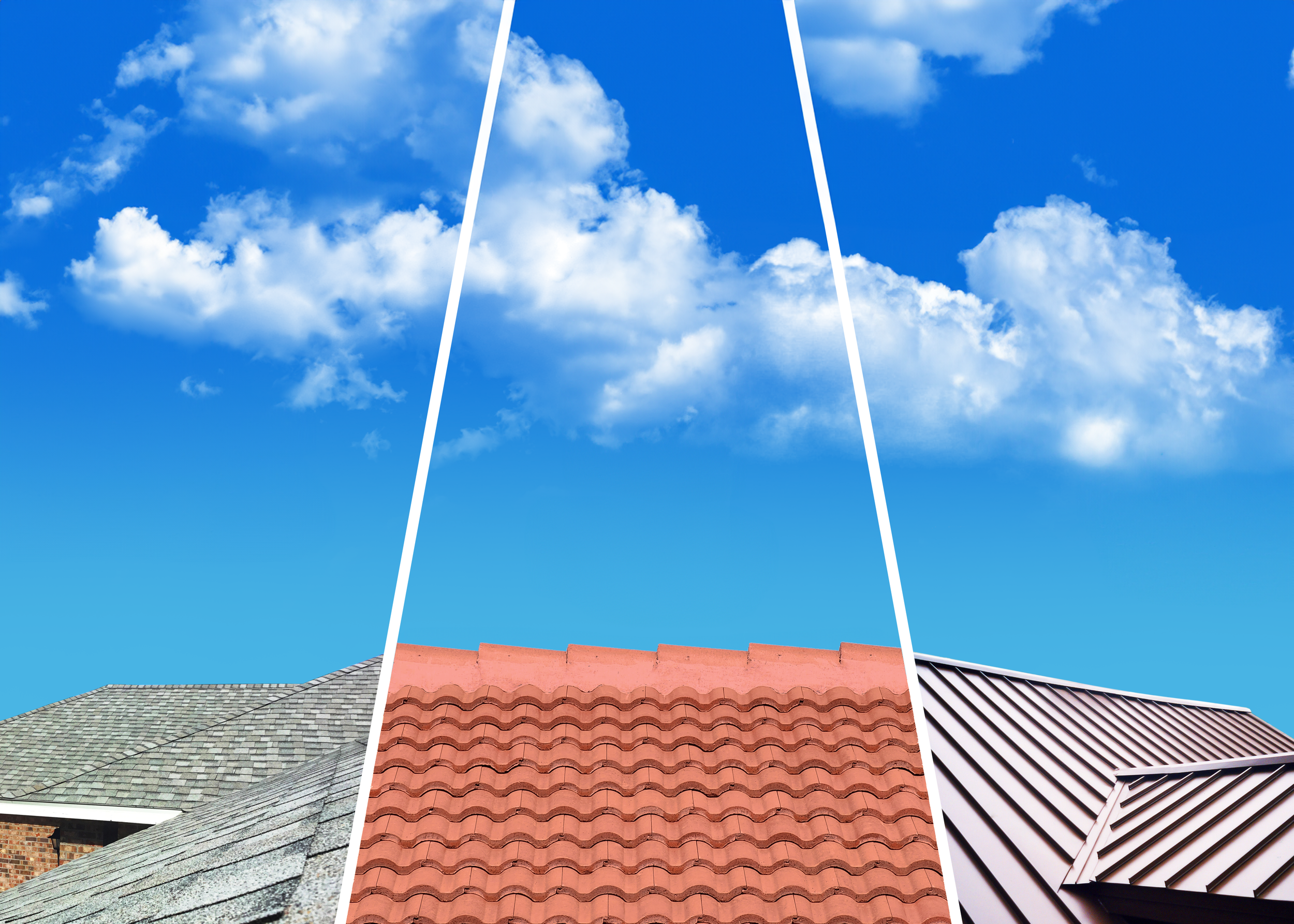
Roofing comes with a lot of unfamiliar terms. This page explains the most common words used when inspecting, repairing, or replacing roofs. Whether your roof is shingle, tile, metal, or flat, this guide will help you understand what each part does and why it matters.
Roofing Terms Explained
Roof Structure & Shape
Ridge
The highest horizontal line where two roof slopes meet.
Hip
An outward angled roof line where two slopes meet and run downward from the ridge.
Valley
The internal angle where two roof slopes meet. Valleys channel water and are one of the most leak-prone areas on any roof type.
Eave
The lower edge of the roof that extends past the exterior wall. Eaves help direct water away from the home.
Rake
The sloped edge of a roof along the side walls, commonly seen on gable roofs.
Gable
The triangular wall section formed by two sloping roof planes.
Pitch (Slope)
How steep a roof is, expressed as a ratio instead of degrees (example: 6/12). Applies to shingle, tile, and metal roofs. Flat roofs have little to no pitch.
Low-Slope Roof
A roof with minimal slope that still allows water to drain. Often uses flat roofing systems.
Flat Roof
A roof system designed with very little slope. Requires special waterproof materials and drainage planning.
Roof Decking (Sheathing)
The structural surface beneath the roofing material, usually plywood or OSB.
Roofing Materials (All Common Types)
Asphalt Shingles
The most common residential roofing material. Affordable, versatile, and widely used.
3-Tab Shingles
A traditional asphalt shingle with a flat, uniform appearance created by evenly spaced tabs. They are commonly found on older homes and offer basic protection compared to newer architectural shingles.
Architectural Shingles
A layered type of asphalt shingle that offers better durability and a more dimensional look.
Tile Roofing
Roofing made from clay, concrete, or synthetic tile. Very durable and long-lasting but heavier than shingles and metal.
Metal Roofing
Roofing made from steel, aluminum, or other metals. Known for longevity, energy efficiency, and strength.
Exposed Fastener Metal
A metal roofing system where panels are attached using visible screws with rubber washers.
Standing Seam Metal
A metal roofing system with raised seams that lock panels together, reducing exposed fasteners.
Flat Roofing Systems
Roofing designed for low-slope or flat roofs, such as modified bitumen or membrane systems.
Modified Bitumen
A flat or low-slope roofing system made of asphalt combined with rubber or plastic modifiers. It is installed in layers to create a durable, waterproof surface commonly used on residential and commercial flat roofs.
Membrane Roofing System
A flat or low-slope roofing system that uses a single waterproof sheet to protect the roof surface. These systems are designed to resist water intrusion and are commonly used where shingles, tile, or metal are not suitable.
Underlayment & Waterproofing
Underlayment
A protective layer installed beneath shingles, tile, metal, or flat roofing to add water resistance. Installed over decking.
Peel & Stick - Ice & Water Shield
A self-sealing waterproof membrane installed in high-risk areas like valleys, eaves, and penetrations. Also installed on entire roof surface.
Felt Underlayment
A traditional underlayment made from asphalt-saturated paper. It provides basic moisture protection beneath roofing materials and has been commonly used under shingles, tile, and metal roofs for many years.
Synthetic Underlayment
A lightweight, durable underlayment made from woven or spun polymers. It provides water resistance, improved tear strength, and better protection during installation compared to traditional felt.
Roof Membrane
A waterproof layer used primarily on flat or low-slope roofs.
Flashing & Edge Protection
Flashing
Metal material installed to seal joints and transitions where water could enter.
Step Flashing
Small flashing pieces installed where a roof meets a wall.
Counter Flashing
Flashing installed over step flashing, commonly used around chimneys.
Valley Flashing
Metal installed in valleys to protect against water intrusion. Less common with shingle roofs.
Drip Edge
Metal edging installed along roof edges to guide water into gutters and protect decking.
Bird Stop
A protective barrier installed at the eaves of tile roofs to block gaps beneath the tiles. It prevents birds, rodents, and debris from entering the roof system while still allowing proper airflow.
Ventilation Components
Ridge Vent
A vent installed along the ridge to release hot air from the attic.
Roof Vent
Any vent that allows air to exit the attic or roof system.
Intake Vent
Vents placed at eaves or lower roof areas to allow fresh air in.
Exhaust Vent
Vents that release warm, moist air from the attic.
Balanced Ventilation
A system where intake and exhaust airflow are properly matched for efficiency.
Drainage & Water Control
Gutters
Channels that collect rainwater and move it away from the roof edge.
Downspouts
Vertical pipes that carry water from gutters to the ground.
Scupper
An opening on flat roofs that allows water to drain off the roof surface.
Roof Drain
A drain system commonly used on flat roofs to remove water efficiently.
Measurements & Estimating
Roof Square
A measurement equal to 100 square feet of roof area. (example: 25SQ roof = 2,500 square feet of roof area)
Total Roof Area
The combined surface area of all roof planes.
Waste Factor
Extra material added to account for cuts, overlaps, and roof complexity.
Pitch Measurement
The method used to determine roof slope.
Installation & Workmanship
Fasteners (Nails or Screws)
Hardware used to secure roofing materials, chosen based on roof type.
Nail Line
The correct placement area for fasteners on shingles.
Seam
Where two roofing panels or materials meet, especially on metal or flat roofs.
Exposure
The visible portion of roofing material after installation.
Tear-Off
The removal of existing roofing materials before installing a new system.
Overlay
Installing a new roof over an existing one, when allowed.
Damage & Wear
Wind Damage
Lifted, creased, or missing materials caused by high winds.
Hail Damage
Impact marks or bruising from hailstones affecting shingles, tile, or metal.
Granule Loss
Loss of protective granules from asphalt shingles.
Cracked Tile
Broken or fractured roof tiles caused by impact or age.
Oil Canning
Visible waviness in metal panels, mostly cosmetic.
Ponding Water
Standing water on flat roofs that does not drain properly.
Maintenance & Longevity
Preventive Maintenance
Routine inspections and small repairs to prevent larger issues.
Roof Cleaning
Removal of debris or buildup; pressure washing should only be done by careful professionals.
Service Life
The expected lifespan of a roofing system based on material and care.
Warranty & Insurance Terms
Manufacturer Warranty
Coverage provided by the roofing material manufacturer.
Workmanship Warranty
Coverage for installation-related issues.
Storm Claim
An insurance claim filed due to weather damage.
Deductible
The amount the homeowner pays before insurance coverage applies.
Depreciation
The reduction in value of roofing materials over time.
Understanding roofing terms helps homeowners feel confident and informed. If you ever hear a term you don’t understand, we will always take the time to explain it clearly.
Have questions about your roof or a term you heard during an inspection?
We’re always happy to explain things clearly and show you exactly what we see.