
How Weather Ages Your Roof: Why Time Affects Every Home
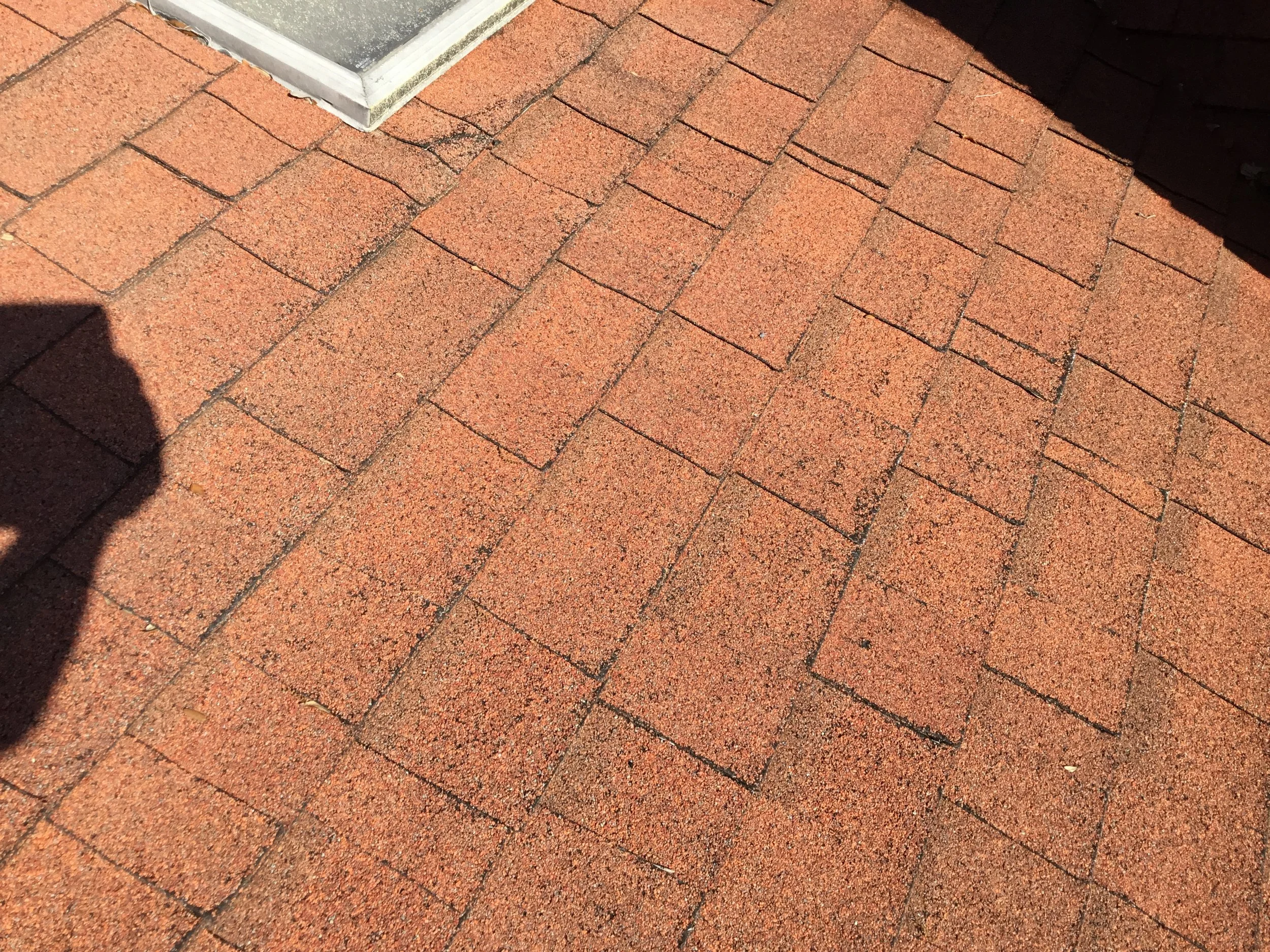
Shingle Roof Granules Showing Signs of Aging
Most homeowners don’t think about their roof unless something goes wrong. As long as it keeps rain out, it fades into the background of daily life. Yet from the moment a new roof is installed, it begins a slow, unavoidable process of aging.
This aging isn’t the result of poor workmanship or bad materials alone. It is the natural outcome of constant exposure to sun, wind, rain, heat, and time. Understanding how weather interacts with your roof helps you see problems earlier, plan ahead, and care for your home with greater confidence.
This guide explains—clearly and simply—how different elements of weather shape the lifespan of your roof and what that means for you as a homeowner.
Your Roof Lives Outside, Every Single Day
Unlike most parts of your home, your roof never gets a break. Walls, floors, and ceilings are protected from the elements. Your roof is not.
It endures blazing summer heat, freezing winter nights, pounding rain, whipping winds, and the constant intensity of the sun. Over years and decades, these forces gradually change the materials that protect your home.
The key idea is this: roof aging is normal. What matters is understanding what that aging looks like and when it becomes a concern.
The Sun: The Quiet, Constant Wearer of Roofs
Sunlight is one of the most powerful forces acting on your roof.
Ultraviolet (UV) rays slowly break down roofing materials over time. You can think of this like how plastic left outside becomes brittle, or how paint fades on a sunny wall.
As materials absorb heat day after day, they expand and contract. This repeated movement, though small, gradually reduces flexibility and strength.
Early signs of sun-related aging may include:
Fading color
Slight brittleness
A more “dry” appearance of materials
None of these mean your roof is failing—but they do signal that time is doing its work.
Heat and Temperature Swings
Roofs don’t just face sunlight—they experience extreme temperature changes.
On a hot summer day, a roof surface can become far hotter than the air around it. At night, it cools again. In winter, it may freeze, then thaw repeatedly.
These temperature swings cause materials to expand and contract again and again. Over years, this movement can loosen fasteners, weaken seals, or create tiny gaps where water can eventually enter.
This is why even well-built roofs slowly show signs of wear over time.
Rain: More Than Just Getting Wet
Rain might seem gentle compared to wind or sun, but it plays a major role in roof aging.
Every rainfall tests how well your roof sheds water. When water flows smoothly off, your roof is doing its job. When water lingers in low spots, it can slowly wear down materials.
Repeated exposure to moisture can also affect hidden components beneath the surface, especially if small weaknesses already exist.
Over time, rain doesn’t just test your roof—it gradually shapes how it performs.
Wind: Stress You Can’t Always See
Strong winds don’t always tear roofs apart, but they place steady pressure on materials.
During storms, wind can:
Lift edges slightly
Shift materials incrementally
Push water under vulnerable areas
Even moderate, regular wind over many years can contribute to gradual wear. Damage rarely appears all at once—it accumulates slowly.
Why Aging Isn’t Always Visible From the Ground
One of the most challenging things for homeowners is that roof aging often happens out of sight.
From the street, a roof may still look intact and orderly. Underneath, materials may already be losing strength or flexibility.
This is why periodic inspections are so valuable. They allow someone trained to recognize subtle signs of aging before they become major issues.
How Climate Affects Roof Lifespan
Where you live plays a major role in how quickly your roof ages.
Homes in hot, sunny regions often experience faster material breakdown from UV exposure. Areas with frequent storms see more wind-related stress. Cold climates bring freeze-thaw cycles that can be tough on roofing materials.
None of this means your roof is weak—it simply means your environment shapes how it ages.
Normal Aging vs. Concerning Damage
It’s important to distinguish between natural aging and true problems.
Normal aging may include:
Gradual color changes
Minor surface wear
Slight stiffness in materials
Concerning signs might include:
Repeated leaks
Noticeable material failure
Structural sagging
Persistent interior moisture
Understanding this difference helps homeowners avoid unnecessary worry while still staying attentive.
Why Maintenance Slows the Aging Process
You can’t stop time, but you can influence how your roof ages.
Regular maintenance—such as clearing debris, addressing small issues early, and keeping drainage working properly—helps reduce stress on your roof.
This doesn’t make your roof immortal, but it often extends its useful life and keeps problems manageable.
Planning Ahead, Not Panicking
Knowing that your roof will age doesn’t have to feel scary. Instead, it helps you plan.
Rather than reacting to sudden failures, you can:
Budget for future repairs or replacement
Schedule inspections at reasonable intervals
Make decisions calmly, not in crisis mode
This shift from reaction to preparation gives homeowners real peace of mind.
A Roof That Ages Gracefully
A well-built, well-maintained roof doesn’t collapse overnight. It ages gradually, predictably, and with clear signals along the way.
By understanding how weather affects your roof, you become a more confident homeowner—one who sees time not as a threat, but as something to manage thoughtfully.
In the end, your roof isn’t just fighting the weather. It’s working with it, season after season, to protect your home.
If you’re wondering how your roof is holding up over time—or just want clarity about what you’re seeing—a calm, professional conversation can help you understand your roof’s condition and what makes sense going forward.