
What Really Happens During a Roof Inspection
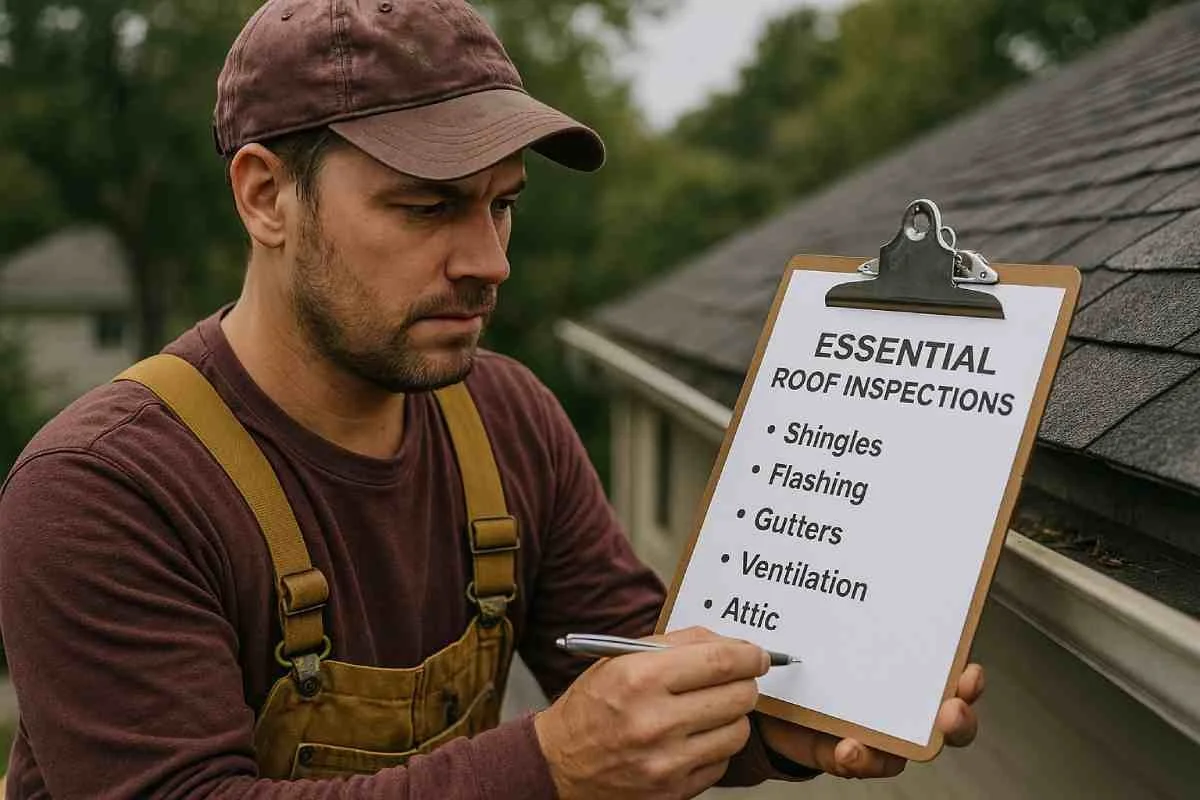
For many homeowners, a roof inspection feels mysterious. Someone climbs onto your roof, spends time out of sight, then returns with photos, notes, and recommendations. Because most people rarely see what happens up there, it’s easy to wonder what an inspection actually involves—and whether it truly matters.
In reality, a thorough roof inspection is one of the most valuable forms of home care. It is not about looking for problems to sell you; it is about understanding the condition of your home, catching small issues early, and giving you clear, honest information so you can make thoughtful decisions.
This guide walks you through what a careful, homeowner-first roof inspection looks like—step by step—so nothing feels hidden or confusing.
It Starts Before Anyone Steps on the Roof
A meaningful inspection begins with a conversation, not a ladder.
A good inspector will ask simple, respectful questions such as:
Have you noticed any leaks or stains?
Has the roof experienced recent storms?
Are there areas that concern you?
How old is the roof, to your knowledge?
These questions are not about finding a way to sell work. They help the inspector understand your experience and focus their attention where it matters most.
A Ground-Level Walk Around Your Home
Before climbing onto the roof, a careful inspection usually starts on the ground.
The inspector will walk around your home looking for visible clues:
Areas where water flows or pools
Trees or branches that may touch the roof
Gutters that appear clogged or damaged
Siding or trim that shows signs of moisture
This step provides context. A roof does not exist in isolation—it interacts with the rest of your property.
What Happens on the Roof
Once on the roof, the inspector examines much more than just the visible surface.
They typically look for:
Areas where materials appear worn, cracked, or displaced
Seams or transitions where different roof sections meet
Locations where water naturally flows
Places around vents, skylights, or chimneys where leaks are more likely
The goal is not to nitpick every imperfection, but to understand how the roof is performing as a system.
Looking Beyond the Obvious
A strong inspection does not stop at what looks damaged. It also evaluates what still appears healthy.
Inspectors pay attention to patterns:
Are materials aging evenly?
Do certain areas show repeated stress?
Are protective layers likely still doing their job?
This broader perspective helps distinguish between normal aging and genuine risk.
Why Photos Matter
Most modern inspections include photographs—not as proof of failure, but as clarity for you.
Photos allow homeowners to:
See what the inspector saw
Understand recommendations more clearly
Keep a visual record for future reference
This transparency builds trust and removes guesswork from the process.
The Attic or Interior Check
When possible, a thoughtful inspection also includes a look inside your attic or upper spaces.
Here, inspectors look for signs of moisture, airflow issues, or insulation problems that may relate to the roof above. This step helps connect exterior observations with interior conditions.
Turning Observations Into Plain-Language Guidance
After gathering information, a good inspector translates their findings into clear, simple explanations.
Rather than using technical language, they explain:
What they saw
Why it matters
What options you have
What is urgent versus what can wait
This empowers homeowners rather than overwhelming them.
Maintenance vs. Repair vs. Replacement
One of the most valuable parts of an inspection is helping homeowners understand where they stand.
Sometimes, the answer is simple maintenance. Other times, targeted repairs are recommended. In some cases, replacement may be the most responsible long-term choice.
A thoughtful inspector helps you weigh these options calmly, without pressure.
Why Regular Inspections Matter
Roofs change slowly over time. Small issues that are harmless today can become serious problems years later.
Regular inspections allow homeowners to stay ahead of these changes. They reduce the likelihood of sudden surprises and help you plan major decisions on your own timeline.
Peace of Mind Through Understanding
A roof inspection is not just about checking a box—it is about clarity.
When you understand the condition of your roof, you gain confidence in your home. You know what is working, what needs attention, and what you can reasonably expect in the future.
In that sense, an inspection is less about the roof itself and more about your peace of mind.
If you’re unsure about the condition of your roof—or just want a clear, straightforward assessment—a calm conversation can help you understand what’s happening above your home and what, if anything, needs attention.