
Why Roof Repairs Should Be Done Right the First Time
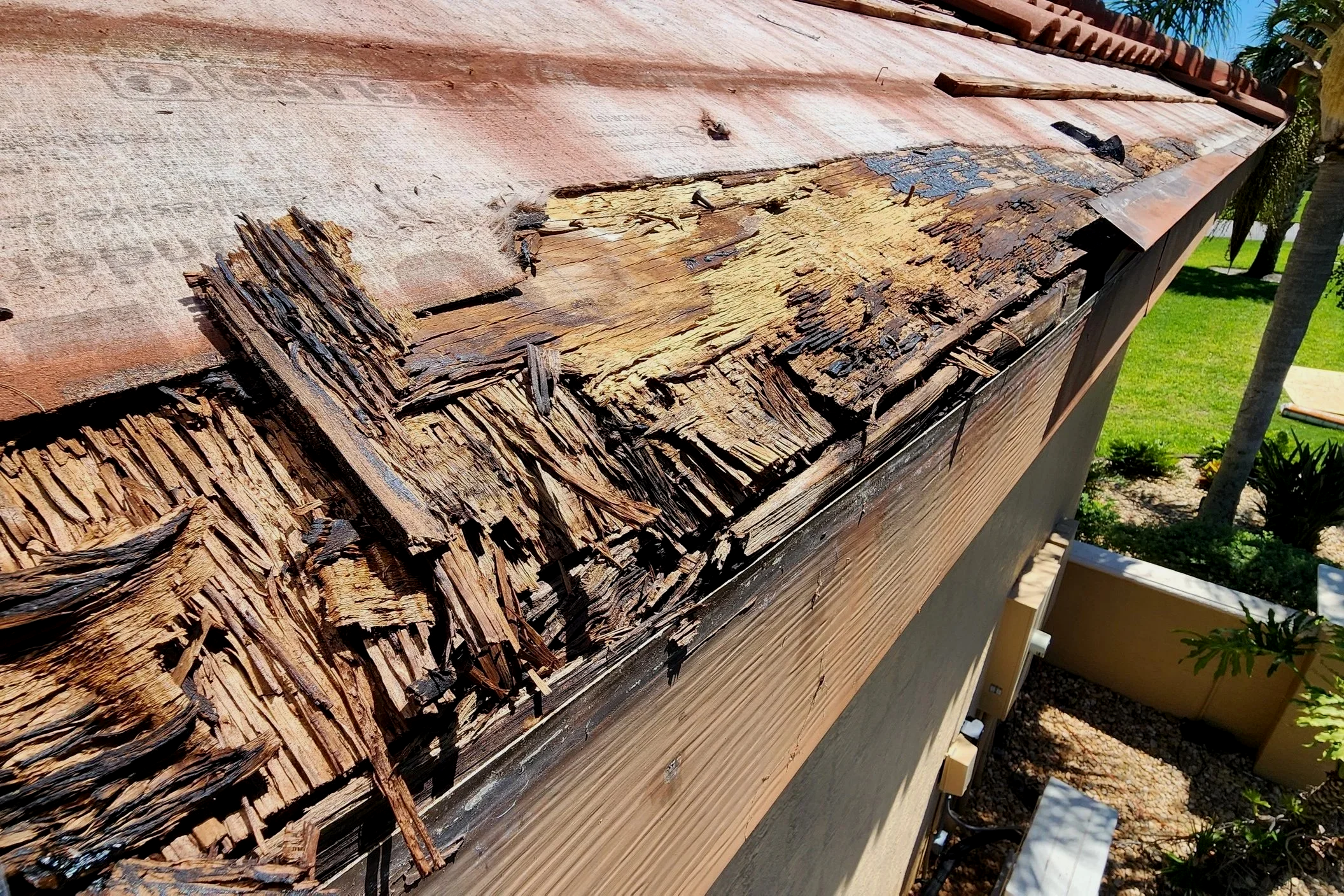
Improper Waterproofing Installation Leading to Damage at the Eaves of Tile Roof
When a roof problem appears, most homeowners want one simple thing: for it to stop causing trouble. A stain on the ceiling, a small leak during heavy rain, or a concern raised during an inspection can quickly become a source of stress. In these moments, it’s natural to want the fastest possible solution.
However, roofing issues rarely exist in isolation. What appears to be a small, contained problem is often a signal of something larger happening beneath the surface. Understanding why roof repairs should be done right the first time helps homeowners avoid repeated disruptions, unnecessary costs, and long-term damage that could have been prevented.
A Roof Is a System, Not a Single Surface
One of the most common misunderstandings about roofs is the belief that they function as a single layer. In reality, a roof is a system made up of multiple components working together to guide water safely away from the home.
Each layer plays a specific role. Some layers provide the visible outer protection, while others act as backup defenses, directing moisture outward if it gets past the surface. When one part fails, nearby components are often affected—even if they don’t immediately show signs of damage.
This is why simply patching a visible problem doesn’t always resolve the underlying issue. Without understanding how the system works as a whole, repairs can unintentionally leave vulnerabilities behind.
Why the First Fix Often Fails
Homeowners are sometimes frustrated when a repair that seemed successful initially fails months later. This doesn’t always mean the repair was poorly intentioned—it often means it was incomplete.
Water rarely enters and exits at the same point. It can travel along fasteners, seams, or framing before appearing inside the home. A ceiling stain, for example, may be several feet away from the original entry point. Repairing only the visible symptom can temporarily stop the problem without addressing its source.
When the next heavy rain arrives, water may simply find a slightly different path, creating a new issue that feels unrelated but stems from the same unresolved cause.
The Cost of Repeated Repairs
Short-term fixes often feel less expensive at first. However, repeated repairs can add up quickly. Each visit, each patch, and each new interior repair increases overall cost—not just financially, but emotionally.
Beyond the immediate expense, repeated water exposure can slowly weaken structural materials. Wood that remains damp over time may lose strength. Insulation that absorbs moisture becomes less effective, affecting indoor comfort and energy efficiency.
Doing a repair correctly the first time helps prevent this cycle. While it may require more thorough evaluation upfront, it often saves homeowners from years of ongoing issues.
What “Doing It Right” Really Means
A proper roof repair begins with understanding why the problem occurred in the first place. This involves looking beyond the obvious and examining surrounding areas that may have contributed to the issue.
Doing it right often includes:
Evaluating nearby materials, not just the damaged spot
Ensuring water is directed away as intended
Reinforcing protective layers where needed
Confirming that repairs integrate seamlessly with existing materials
This approach treats the roof as a complete system rather than a collection of isolated parts.
The Importance of Experience and Perspective
Roofing problems don’t always announce themselves clearly. Subtle signs—such as minor discoloration, slight texture changes, or intermittent leaks—require experience to interpret correctly.
An experienced perspective helps distinguish between cosmetic concerns and functional problems. It also helps identify patterns that suggest deeper issues, even when damage appears limited.
For homeowners, this expertise translates into confidence. Knowing that a repair was approached thoughtfully provides peace of mind long after the work is completed.
Avoiding Interior Damage and Disruption
One of the most significant benefits of thorough repairs is the protection they offer to the interior of the home. Water damage inside the home is often more disruptive than roof repairs themselves.
Ceiling repairs, repainting, insulation replacement, and drying processes can interrupt daily life. Preventing these secondary issues is one of the strongest arguments for addressing roof problems comprehensively from the start.
Planning Instead of Reacting
When repairs are done correctly the first time, homeowners regain control over their timeline. Instead of reacting to recurring issues, they can plan future maintenance calmly and proactively.
This shift—from reaction to planning—reduces stress and creates a healthier relationship with homeownership. The roof becomes something that quietly protects rather than something that demands constant attention.
A Thoughtful Approach Pays Off
Roof repairs are not just about fixing what’s broken. They’re about understanding why it broke and ensuring it doesn’t happen again.
When homeowners choose a thoughtful, system-based approach, they are investing in reliability, comfort, and long-term protection. Doing it right the first time is not about perfection—it’s about responsibility, care, and lasting peace of mind.
If you’re dealing with a roof issue or unsure whether a past repair fully solved the problem, a calm conversation can make a big difference. Understanding the full picture often brings clarity and confidence.