
Why Insurance Companies Are Dropping Homeowners — and What You Can Do About It
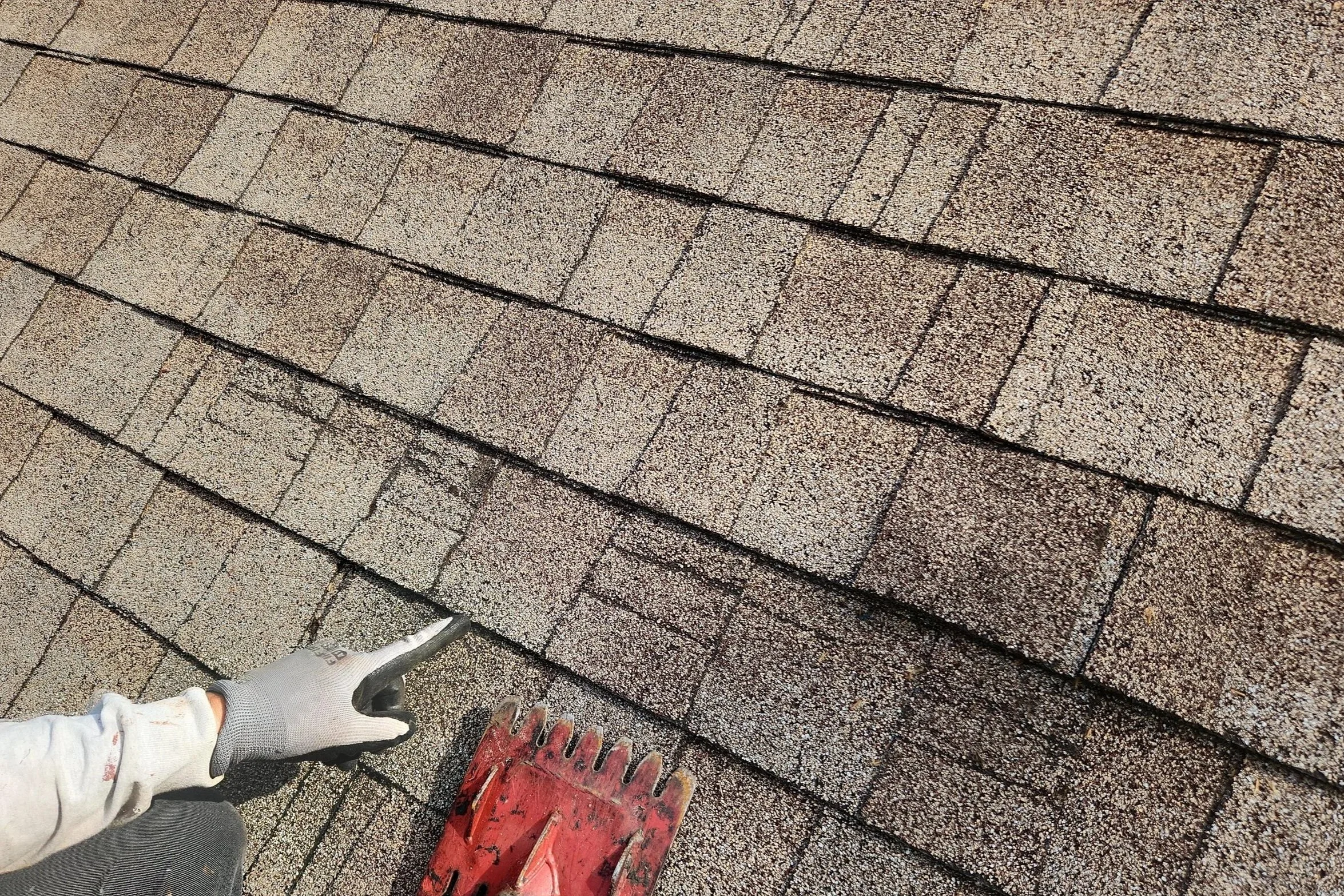
Wear and Tear + Wind Related Damages on Shingle Roof
For many homeowners, insurance feels like something that quietly exists in the background. Premiums are paid, policies renew, and life continues uninterrupted. Because of this, receiving a notice that coverage is being reduced, not renewed, or canceled altogether can feel shocking and deeply unsettling. It often raises immediate questions: Why is this happening? Did I do something wrong? What does this mean for my home?
While these decisions can feel personal, they are almost always driven by broader risk assessments rather than individual judgment. Understanding how and why insurance companies make these decisions helps homeowners respond calmly, strategically, and with far more confidence.
How Insurance Companies Think About Risk
At their core, insurance companies exist to predict the future. They rely on data, trends, and probabilities to estimate how likely a claim is to occur and how costly that claim may be. Homes are evaluated not just as living spaces, but as collections of risk factors.
Among all components of a home, the roof carries outsized importance. The roof is the first line of defense against weather, and when it fails, the resulting damage often extends far beyond the roof itself. Water intrusion can affect ceilings, walls, insulation, electrical systems, flooring, furniture, and even air quality. One compromised roof can lead to multiple simultaneous claims.
Because of this, insurers tend to focus heavily on roof condition when assessing risk. From their perspective, a roof in poor condition increases the likelihood of widespread damage, even if no problems have occurred yet.
Why Homeowners Are Often Caught Off Guard
Many homeowners assume insurance decisions are based on whether a roof is actively leaking. In reality, insurers are far more concerned with potential future claims than past performance. A roof that has never leaked may still be flagged if it shows signs of aging or wear.
This disconnect is one of the most common sources of frustration. Homeowners know their homes. They live under their roofs every day. Insurance companies, however, often rely on limited snapshots rather than lived experience.
How Roofs Are Commonly Evaluated
Contrary to popular belief, insurance companies do not always conduct hands-on roof inspections. In many cases, evaluations are based on:
Aerial imagery captured by satellites or drones
Drive-by exterior inspections
Photographs taken from the ground
Third-party data estimating roof age
These methods are efficient, but they lack nuance. They can identify surface-level characteristics, such as discoloration or uneven textures, without providing context about maintenance, material quality, or recent repairs.
A roof that is well cared for may still appear aged in photographs. Likewise, minor cosmetic wear can sometimes be mistaken for functional deterioration. When decisions are made using limited data, roofs are often grouped into broad risk categories rather than evaluated individually.
The Impact of Roof Age Thresholds
One of the least understood aspects of insurance decisions is the role of age thresholds. Many insurers use predetermined age ranges to guide coverage decisions. Once a roof approaches or exceeds these ranges, it may automatically trigger closer scrutiny.
These thresholds do not always account for how well a roof has been maintained or the quality of materials used. A carefully maintained roof may perform far better than a newer one that has been neglected, yet age alone can still raise concerns in underwriting systems.
Understanding this reality allows homeowners to plan ahead rather than react unexpectedly. Awareness creates opportunity.
Why Maintenance History Matters
From an insurance perspective, maintenance history provides insight into homeowner behavior. Regular inspections, timely repairs, and documented upkeep signal responsible ownership. They show that issues are addressed early, reducing the likelihood of sudden, catastrophic failures.
Documentation can include:
Inspection reports
Repair records
Photos taken over time
Notes describing observed conditions
While documentation does not guarantee favorable outcomes, it helps tell a fuller story. It gives context to what might otherwise appear as surface-level wear.
The Difference Between Appearance and Performance
One of the most important distinctions homeowners can learn is the difference between how a roof looks and how it performs. Cosmetic wear does not always indicate structural weakness, but insurance evaluations sometimes blur this line.
Understanding this difference empowers homeowners to advocate for themselves. It also highlights the value of clear communication and professional assessments that explain why a roof remains functional despite visible aging.
What Happens When Coverage Is Reduced or Dropped
When insurance coverage is reduced or non-renewed, homeowners often feel pressure to act quickly. This urgency can lead to rushed decisions, unnecessary expenses, or stress-driven choices.
Taking a step back to understand the reason behind the decision helps restore a sense of control. In many cases, insurers are responding to generalized risk profiles rather than immediate danger.
Steps Homeowners Can Take
While not all insurance outcomes are within a homeowner’s control, there are constructive steps that can make a meaningful difference:
Stay informed about roof condition
Schedule periodic inspections
Address small issues early
Keep clear records
Ask questions when notices arrive
These steps do not eliminate risk, but they reduce uncertainty.
Shifting From Reaction to Preparation
The most empowering shift a homeowner can make is moving from reaction to preparation. When homeowners understand how insurance companies evaluate risk, they are better equipped to navigate changes without panic.
Preparation does not mean fear. It means awareness. It means knowing where your home stands and being ready to explain it when necessary.
Confidence Through Understanding
Insurance decisions can feel opaque, but they are rarely random. By understanding the role roofs play in risk assessment, homeowners gain clarity. That clarity leads to better conversations, smarter planning, and greater peace of mind.
A well-informed homeowner is not just protected by insurance—they are empowered by knowledge.
Insurance changes can feel overwhelming, especially when the reasons aren’t clearly explained. If you have questions about your roof’s condition or how it may be viewed by insurers, a calm, informed conversation can bring clarity.