
Why Temporary Roof Protection Matters More Than You Think
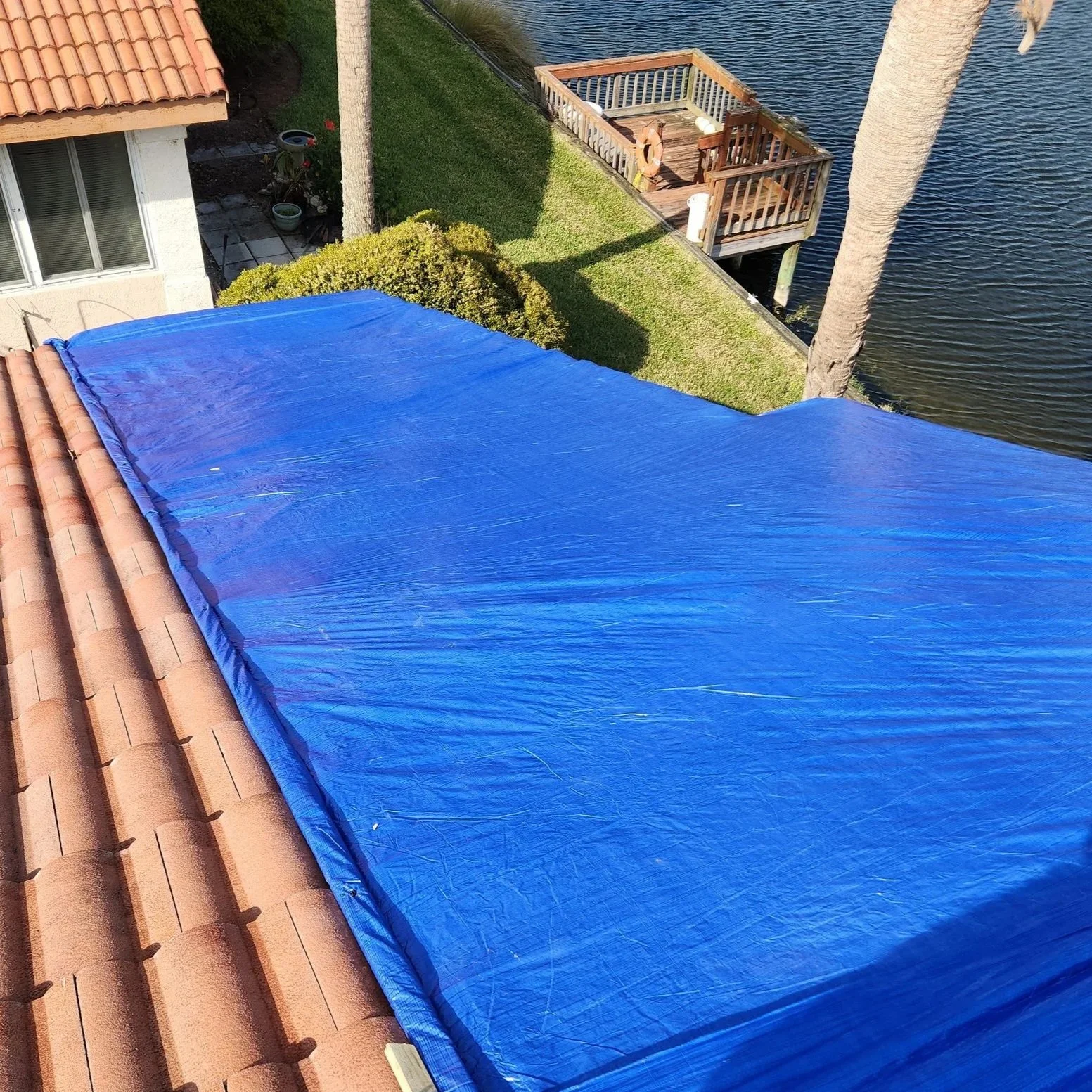
Tarp Installed Over Tile Roof
When a roof is damaged, the moment itself is often chaotic. Storms rarely arrive politely, and roof issues don’t usually present themselves at convenient times. Homeowners may notice missing material in the yard, water marks forming indoors, or simply feel uneasy knowing something isn’t quite right overhead. In those moments, it’s natural to think only about permanent repairs. However, one of the most important—and most misunderstood—steps in responsible roof care happens before permanent work ever begins: temporary roof protection.
Temporary roof protection is often associated with tarps, but the concept goes much deeper than covering an opening. It is about stabilizing the home, preserving existing materials, and preventing a short-term issue from turning into long-term damage. Understanding this step helps homeowners make calmer, more informed decisions during stressful situations.
The Time Gap Most Homeowners Don’t Think About
Roof damage doesn’t end when the storm passes. In fact, the most vulnerable period often comes afterward. Once protective layers are compromised, the home becomes exposed to repeated weather cycles—rain, humidity, temperature swings, and even sunlight. Each of these can slowly worsen the condition of exposed areas.
Permanent repairs are rarely immediate. Scheduling inspections, documenting damage, coordinating insurance, and planning repairs all take time. Temporary protection exists specifically to safeguard the home during this gap. It acts as a buffer between damage and resolution.
Without this buffer, even light rain can seep into areas that were never meant to be wet. Water doesn’t need a large opening to enter. It can follow seams, fasteners, and tiny gaps, spreading farther than most homeowners expect. Once moisture enters, it can travel horizontally along wood or downward into insulation and ceilings.
Why Water Is the Biggest Concern
Water is patient and persistent. Unlike obvious structural damage, water-related issues often develop quietly. Moisture can soak into insulation, reducing its ability to regulate temperature. It can weaken wooden components, causing gradual deterioration rather than immediate failure. Over time, it may lead to stains, odors, or changes in indoor air quality.
What makes water particularly problematic is that its effects are often delayed. A homeowner may not see visible signs for weeks or months, long after the original damage occurred. By then, the source can be harder to trace, and repairs may involve interior spaces rather than just the roof.
Temporary roof protection significantly reduces this risk. By redirecting water away from compromised areas, it prevents moisture from entering the structure during a critical window of vulnerability.
What “Properly Installed” Really Means
Not all temporary protection is equal. A tarp casually placed over a damaged area can sometimes do more harm than good. Proper installation requires an understanding of how water flows across a roof and how wind interacts with coverings.
A correctly installed tarp is positioned above the damaged area and secured in a way that allows water to shed naturally. It must be anchored firmly enough to resist wind while avoiding unnecessary punctures. Edges are layered to guide water away rather than allowing it to pool or slip underneath.
Improperly installed tarps can trap water, flap in the wind, or shift during storms. These issues can create new points of entry or worsen existing damage. This is why professional installation matters—not because tarps are complex, but because roofs behave in specific, predictable ways.
Buying Time Without Creating Risk
One of the greatest benefits of temporary roof protection is time. Time to breathe, assess, and make decisions without urgency dictating outcomes. When a home is stabilized, homeowners can evaluate options thoughtfully rather than reacting out of fear.
This time allows for proper inspections, clear documentation, and informed conversations with insurance providers. It also helps homeowners avoid rushed repairs that may not address underlying issues. Temporary protection creates space for clarity.
Importantly, this step is not about avoiding responsibility. It is about exercising it wisely. Protecting what remains intact is often just as important as repairing what was damaged.
Reducing Secondary Damage and Hidden Costs
Secondary damage refers to problems that occur as a result of the original issue rather than the initial event itself. In roofing, secondary damage is often more costly than the original repair. Interior ceiling repairs, insulation replacement, and mold remediation can quickly add up.
Temporary roof protection minimizes the likelihood of these secondary issues. By preventing additional water intrusion, it helps preserve interior finishes and structural components. This protection often saves homeowners significant expense and disruption.
Peace of Mind During Uncertainty
Beyond the physical benefits, temporary roof protection offers emotional relief. Knowing that your home is shielded from further harm allows you to focus on next steps rather than worrying about every passing cloud.
This peace of mind is especially valuable after severe weather events, when stress levels are already high. A stabilized home provides reassurance that the situation is under control.
A Smarter First Step
Temporary roof protection is not a sign of delay or indecision. It is a thoughtful, proactive response to an unpredictable situation. When done correctly, it preserves the home, protects future options, and reduces long-term risk.
For homeowners, understanding the purpose and value of this step transforms it from an emergency reaction into a smart first move. It’s not about doing less—it’s about doing things in the right order.
If you’re dealing with roof damage or simply want a second set of experienced eyes, we’re here to help. Sometimes the most valuable step is understanding what’s happening and what can safely wait.