
How Better Materials and Workmanship Protect Your Home Long-Term
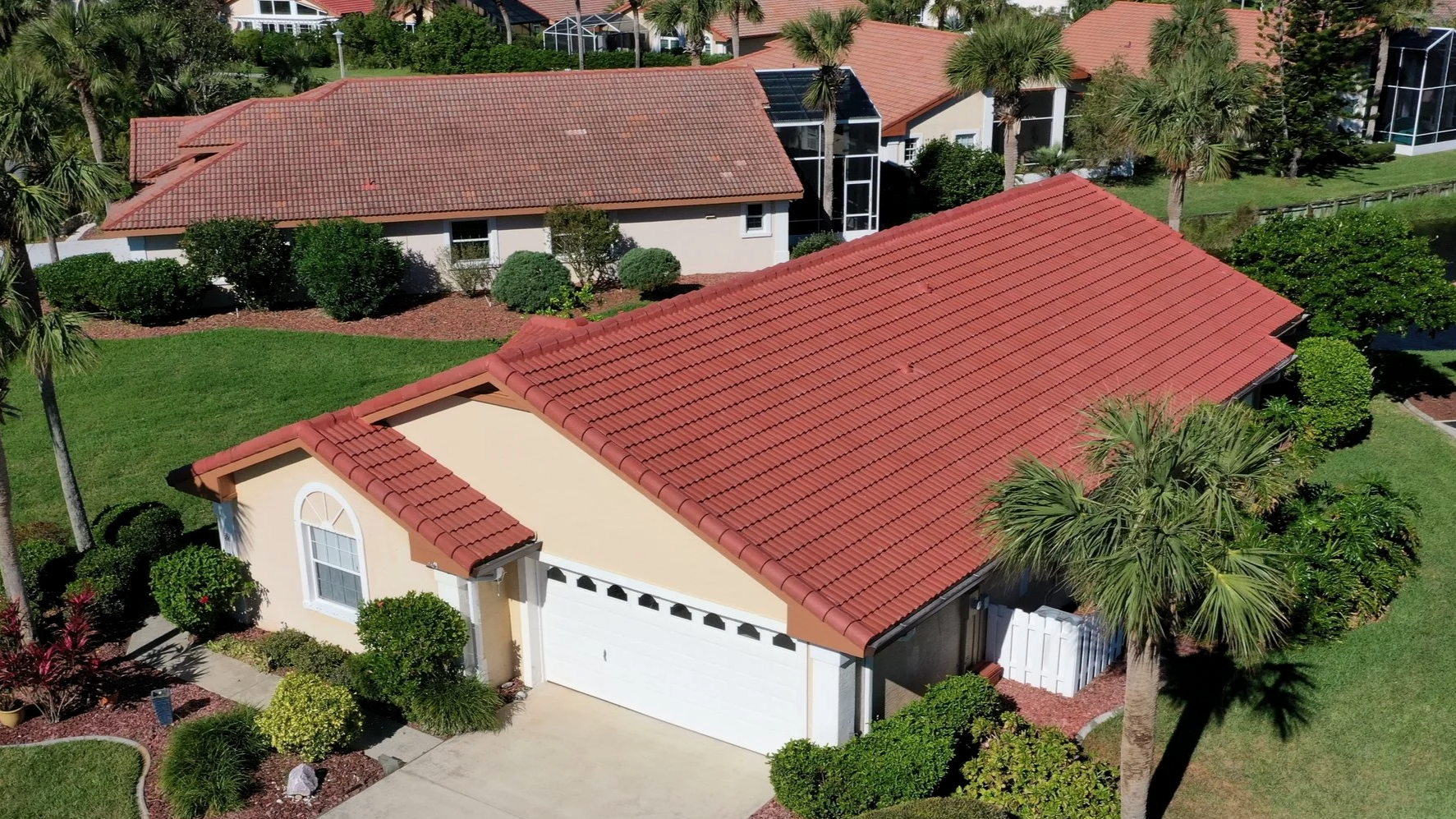
Brand-New Premium Tile Roof
From the street, many roofs look nearly identical. The lines are similar, the colors blend together, and everything appears orderly and intact. Yet homeowners often discover years later that two roofs which looked the same on day one can perform very differently over time. The difference usually comes down to two factors that are easy to underestimate: the quality of materials used and the care taken during installation.
Understanding how materials and workmanship affect your roof helps homeowners make sense of why some roofs quietly protect for decades while others become a recurring source of repairs and frustration. This knowledge isn’t about learning technical details—it’s about recognizing what truly contributes to long-term reliability.
Why Materials Matter More Than Most Homeowners Realize
Roofing materials are designed to live in harsh conditions. They are exposed daily to sunlight, temperature changes, wind, rain, and debris. Over time, these forces test the limits of whatever materials were chosen.
Higher-quality materials are engineered to handle this stress gradually and predictably. They retain flexibility, resist cracking, and maintain their protective properties longer. Lower-quality materials may look fine initially but often break down faster, becoming brittle, thin, or uneven as years pass.
This difference is rarely obvious at first. In many cases, material failure happens slowly, long before leaks appear. By the time water enters the home, deterioration has often been occurring for years.
The Role of Protective Layers You Never See
Some of the most important roofing materials are not visible once installation is complete. Beneath the outer surface are layers designed to serve as secondary protection.
These layers act as a backup system. If water slips past the outer surface during heavy rain or wind, these hidden materials guide it safely away from the home. When quality materials are used, this backup system performs reliably. When corners are cut, small failures can become major problems.
Homeowners don’t need to memorize these layers, but understanding their purpose helps explain why material quality matters even when everything looks fine from the outside.
Why Workmanship Is Just as Important as Materials
Even the best materials cannot perform well if they are installed incorrectly. Roofing is not simply about placing materials on a surface—it is about integrating them so they function together as a system.
Workmanship affects how materials overlap, how water is directed, and how securely everything is fastened. Small details, repeated consistently across an entire roof, determine whether water flows away as intended or finds unintended paths.
Errors in workmanship are rarely dramatic at first. They often show up years later as intermittent leaks or isolated failures that are difficult to trace.
The Importance of Consistency and Attention to Detail
A roof may involve thousands of individual components. Each one must be placed correctly for the system to function as designed. Consistency matters.
When workmanship varies—even slightly—weak points can develop. These weak points may hold up under normal conditions but fail during severe weather. Attention to detail reduces these risks and increases overall resilience.
Long-Term Performance Versus Short-Term Appearance
One of the most misleading aspects of roofing is that short-term appearance tells very little about long-term performance. A roof can look perfect while hidden issues slowly develop beneath the surface.
Quality materials and careful workmanship prioritize performance over appearance. They are chosen and applied not for how they look on installation day, but for how they behave year after year.
How Quality Reduces Maintenance and Stress
Roofs built with better materials and workmanship tend to require fewer repairs. When maintenance is needed, issues are often smaller and easier to address.
This reliability reduces stress for homeowners. Instead of worrying during storms or reacting to repeated problems, homeowners can trust that their roof is doing its job.
The Relationship Between Craft and Longevity
Workmanship reflects experience. Skilled installers understand how roofs age, how materials interact, and where problems typically arise. This perspective informs better decisions during installation.
Longevity is rarely the result of one single choice. It is the outcome of many small, thoughtful decisions made consistently.
A Quiet Investment in Protection
Investing in better materials and workmanship is rarely about luxury. It is about reliability, predictability, and peace of mind.
When homeowners choose quality, they are choosing fewer surprises, fewer disruptions, and a home that remains protected through changing seasons and conditions.
Confidence That Lasts
A well-built roof does not demand attention. It quietly performs its role, day after day, year after year.
Understanding the value of materials and workmanship allows homeowners to make informed decisions with confidence. The result is not just a roof that looks good, but one that protects reliably over the long term.
If you’re unsure how your roof was built or want clarity on the materials protecting your home, a thoughtful conversation can help you understand what matters most and what may deserve attention.