

Storm Preparation and Roof Maintenance: A Calm, Practical Homeowner Guide
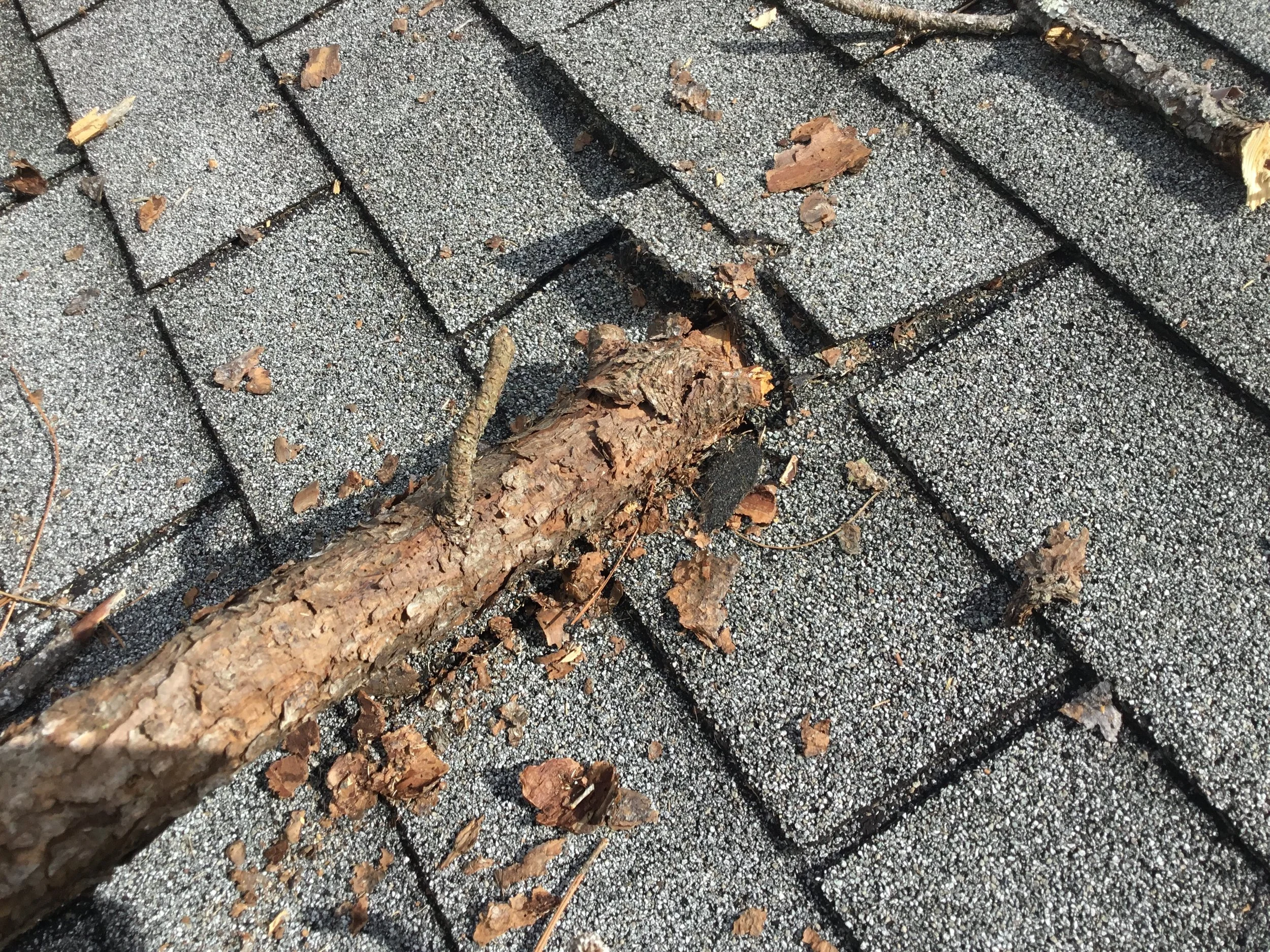
Tree Branch Inside Shingle Roof After Storm
Storms have a way of making homeowners feel powerless. Forecasts change, weather intensifies quickly, and once a storm arrives, there is very little anyone can do in the moment except wait it out. Because of this, storm preparation is often associated with anxiety or last-minute scrambling.
In reality, effective storm preparation is not about fear or urgency. It is about calm, steady habits that reduce risk over time. When roof maintenance and storm awareness are approached thoughtfully, homeowners are better protected and far less stressed—both before and after severe weather.
This guide focuses on practical preparation that fits naturally into responsible homeownership, without technical language or pressure-driven decisions.
Preparation Starts Long Before a Storm Is Forecasted
The most important storm preparation happens on days when the weather is calm. A roof that is already well maintained is far more likely to perform as intended during heavy rain or high winds.
Small vulnerabilities—loose materials, worn protective surfaces, or minor drainage issues—are often what storms exploit. When these are addressed ahead of time, the roof is better equipped to handle sudden stress.
Routine awareness and periodic check-ins reduce the chance that a storm will turn a small issue into a major problem.
Why Storms Reveal Existing Weaknesses
Storms do not usually create new roof problems on their own. Instead, they tend to expose areas that were already under strain.
Strong winds test how securely materials are fastened. Heavy rain challenges how effectively water is guided away. Rapid temperature changes can stress materials that have already begun to age.
Understanding this helps homeowners shift perspective. Storm damage is often the result of gradual wear meeting sudden stress—not bad luck alone.
Simple Visual Checks That Make a Difference
Homeowners don’t need specialized tools to stay aware of roof condition. Simple visual observations, done safely from the ground or inside the home, can provide valuable insight.
After storms, it’s helpful to look for:
Materials that appear uneven or out of place
New debris near downspouts or gutters
Changes in ceiling or wall appearance indoors
These observations are not about diagnosing problems, but about noticing changes. Patterns over time often matter more than a single observation.
The Role of Gutters and Drainage
Proper drainage is one of the most overlooked aspects of storm preparation. Gutters and downspouts are designed to carry water away from the roof and foundation.
When drainage paths are blocked by leaves or debris, water can back up and find unintended routes. This increases the likelihood of moisture entering areas that were never designed to handle it.
Keeping drainage systems clear supports the roof’s ability to shed water efficiently during heavy rainfall.
Trees, Debris, and the Surrounding Environment
Storm preparation extends beyond the roof itself. Overhanging branches and loose debris around the home can become hazards during high winds.
Branches that regularly brush against the roof can wear down materials over time. During storms, they may break or fall, causing damage.
Maintaining a clear area around the home reduces the risk of impact-related issues and helps preserve roof surfaces.
Interior Awareness After Severe Weather
Not all storm-related issues are visible from the outside. After severe weather, paying attention to the interior of the home is just as important.
New stains, unusual odors, or changes in indoor comfort may indicate that moisture has entered somewhere above. These signs often appear gradually, which is why early awareness matters.
Catching interior indicators early allows for calmer responses and simpler solutions.
Avoiding the Trap of Overreaction
After a storm, it’s easy to feel pressure to act immediately—even if there is no clear evidence of damage. While prompt attention is important when issues are present, overreaction can lead to rushed decisions.
A thoughtful approach balances awareness with patience. Understanding what to watch for helps homeowners distinguish between normal post-storm concerns and genuine problems.
Maintenance as Ongoing Preparation
The most effective storm preparation is not a checklist completed once a year. It is an ongoing mindset.
Regular maintenance, periodic inspections, and simple awareness create resilience. They reduce the likelihood that storms will cause unexpected disruption.
This approach allows homeowners to face severe weather with confidence rather than anxiety.
Peace of Mind Comes From Readiness, Not Fear
Storms are unavoidable, but panic is not. When homeowners understand how roofs respond to weather and take small, consistent steps to stay prepared, the experience of storms changes.
Instead of worry, there is reassurance. Instead of urgency, there is clarity.
A well-prepared roof doesn’t eliminate storms—but it does make them far easier to weather.
A Steady, Practical Way Forward
Storm preparation does not require technical expertise or constant attention. It requires awareness, care, and consistency.
By approaching roof maintenance as a form of preparation, homeowners protect not just their homes, but their peace of mind—season after season.
If storms leave you wondering how prepared your roof really is, we can help you understand what to watch for and how thoughtful maintenance can reduce future stress.