
Top 5 Signs Your Roof Needs Attention
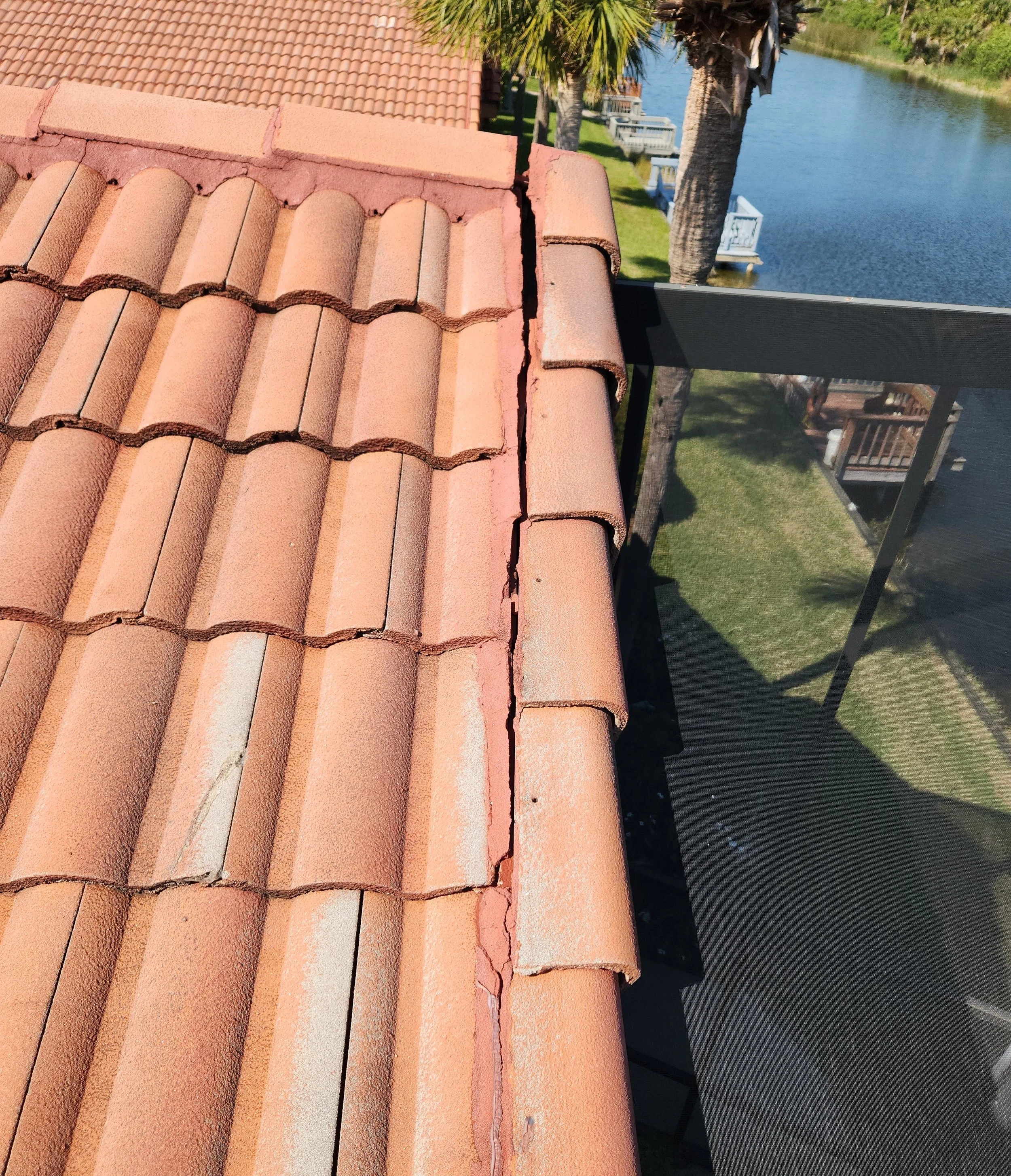
Failing Mortar Showing Visible Signs of Damage at Caps
Most roofing problems do not begin with dramatic leaks or visible collapse. They usually start quietly, with small changes that are easy to overlook—especially for homeowners who have never been taught what to watch for. By the time damage becomes obvious, the underlying issue has often been present for much longer.
Learning the early signs that a roof may need attention allows homeowners to respond thoughtfully rather than urgently. Awareness creates options. It gives you time to ask questions, understand what’s happening, and address concerns before they grow into larger, more disruptive problems.
This guide walks through five of the most common signs homeowners encounter, explained in plain language and without technical assumptions.
1. Stains or Discoloration on Ceilings and Walls
One of the most familiar warning signs is a stain on a ceiling or wall. These marks often appear as faint yellow or brown discoloration and may grow slowly over time.
What’s important to understand is that the stain itself is rarely the source of the problem. Water often enters the roof at one location and travels along framing or surfaces before showing up indoors. This means the visible stain may be several feet away from the actual point of entry.
Even small stains deserve attention. They suggest that moisture has already passed through protective layers and reached interior materials. Addressing the issue early can prevent further spread and limit interior repairs.
2. Changes in the Appearance of Roofing Materials
Homeowners don’t need to climb onto their roof to notice certain changes. From the ground, you may see areas that look uneven, wavy, or different in texture from the rest of the roof.
These changes can indicate that materials are aging unevenly or have been affected by wind, moisture, or temperature shifts. Over time, materials may lose flexibility or shift slightly, creating small openings for water.
While not every visual change means immediate danger, patterns or growing inconsistencies are worth noting. They often signal that protective surfaces are beginning to lose effectiveness.
3. Granules or Debris Collecting in Gutters or Around the Home
Many roofing materials are designed with a textured surface that helps protect against sunlight and weather. Over time, small particles from this surface may begin to shed.
Finding a small amount of this material is normal as a roof ages. However, excessive accumulation in gutters or at the base of downspouts can indicate accelerated wear.
This type of wear reduces the roof’s ability to protect itself from heat and moisture. It often precedes more noticeable problems, making it an important early signal.
4. Drafts, Temperature Changes, or Unusual Indoor Comfort Issues
A roof plays a key role in maintaining consistent indoor temperatures. When protective layers are compromised, you may notice rooms feeling colder in winter or warmer in summer without a clear explanation.
Drafts, uneven temperatures, or increased strain on heating and cooling systems can sometimes be traced back to roof-related issues. Moisture or gaps in protective layers can allow outside air to influence indoor conditions.
These comfort changes often develop gradually, which makes them easy to attribute to seasonal variation rather than an underlying issue.
5. A Long Period Without Inspection or Maintenance
One of the most overlooked signs is simply the passage of time. If it has been many years since your roof was last inspected or maintained, small issues may have gone unnoticed.
Roofs age continuously, even when no problems are visible. Regular check-ins help identify minor concerns early, when solutions are simpler and less disruptive.
Waiting for a problem to announce itself often means dealing with it under pressure. Periodic attention helps homeowners stay ahead.
Why Early Awareness Matters
None of these signs automatically mean a roof is failing. What they indicate is the need for attention, not alarm.
Early awareness allows homeowners to approach roof care calmly and on their own timeline. It reduces the risk of interior damage, unexpected expenses, and rushed decisions.
Observation as a Homeownership Skill
You don’t need professional expertise to be an attentive homeowner. Simple observation—combined with an understanding of what changes may mean—goes a long way.
Noticing patterns, asking questions, and responding thoughtfully are some of the most effective tools available.
Staying Informed Without Stress
Roof care does not need to feel intimidating. Learning the signs to watch for empowers homeowners rather than overwhelming them.
By recognizing early indicators, you protect not just your roof, but the comfort, stability, and peace of mind that come with a well-cared-for home.
If you’ve noticed any changes—or simply want reassurance about your roof’s condition—a calm, professional conversation can help you understand what you’re seeing and what steps, if any, make sense next.