
Understanding Roof Ventilation: Why Airflow Matters More Than You Think
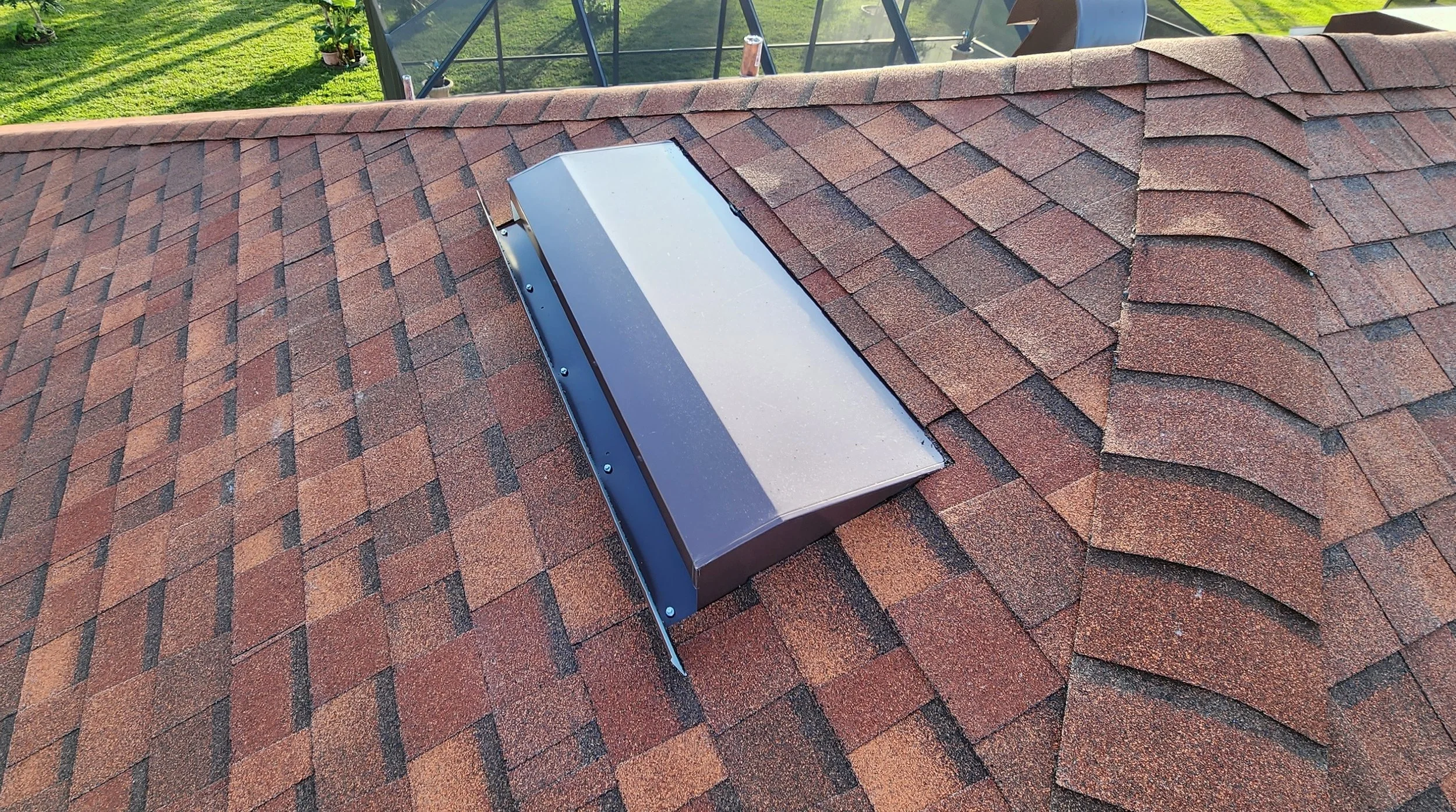
Off-Ridge ventilation on Shingle roof
When homeowners think about roof problems, they usually picture missing shingles, storm damage, or visible leaks. Very few people think about air.
Yet one of the most important factors in how long a roof lasts—and how well your home performs—has nothing to do with rain, wind, or sunlight alone. It has to do with airflow.
Proper roof ventilation is one of the most misunderstood aspects of roofing. It is rarely visible, rarely discussed, and often ignored—until problems begin to appear inside the home or the roof starts aging faster than expected.
This guide is not meant to turn homeowners into roofing experts. Instead, it explains ventilation in simple, practical terms so you can understand why it matters, what it does, and how it quietly protects both your roof and your home.
Why Your Roof Needs to “Breathe”
Many people assume that once a roof is sealed, the goal is to keep everything tightly closed. In reality, a healthy roof system is designed to allow controlled airflow in the space just beneath the roof surface—often called the attic or roof cavity.
Think of it like a jacket.
If you wear a completely airtight jacket on a warm day, you will quickly feel uncomfortable, sweaty, and overheated. Even though the jacket keeps rain out, the lack of airflow creates moisture and heat buildup inside.
Your roof works in a similar way. If warm, moist air becomes trapped in your attic space, it can slowly cause problems that aren’t immediately obvious.
Proper ventilation allows fresh air to enter, circulate, and exit in a steady flow—helping regulate temperature and moisture before they cause damage.
What Happens When Ventilation Is Poor
When airflow is restricted, two major issues tend to develop: heat buildup and moisture buildup.
1. Heat Buildup in the Attic
During hot months, the sun heats your roof’s surface. That heat transfers into the attic space below.
If there is little or no ventilation, temperatures in the attic can rise far higher than outside air—sometimes reaching well over 130°F.
This excess heat can:
Cause roofing materials to age and dry out faster
Increase cooling costs inside the home
Put additional stress on your air conditioning system
Make upper rooms feel uncomfortably warm
Over time, this heat can shorten the useful life of your roof, even if the outer materials look fine from the street.
2. Moisture Buildup in Cold or Humid Conditions
Moisture in your attic doesn’t always come from rain. It often comes from inside your home.
Everyday activities—showering, cooking, washing clothes, even breathing—release moisture into the air. Some of that moisture naturally rises into attic spaces.
If ventilation is poor, this moisture can become trapped. Over time, it may:
Soak into wooden framing
Encourage mold or mildew growth
Reduce the effectiveness of insulation
Lead to musty odors inside the home
In colder climates, trapped moisture can even freeze, then melt, creating repeated cycles of dampness.
How Ventilation Is Supposed to Work
Most properly designed roofs use a simple concept: intake and exhaust.
Intake vents allow fresh air to enter the attic, usually along the edges of the roof (often near the eaves).
Exhaust vents allow warm, moist air to escape, usually near the peak of the roof.
As air enters low and exits high, it creates a gentle, continuous flow—like a slow breeze moving through your attic.
Homeowners don’t need to memorize vent names or technical details. What matters is understanding that airflow is intentional and essential.
Why Ventilation Protects Your Roof
A well-ventilated roof tends to:
Stay cooler in summer
Remain drier year-round
Age more evenly
Require fewer repairs over time
This means your roof is less likely to experience:
Premature material breakdown
Hidden structural issues
Repeated moisture problems
In other words, ventilation helps your roof last longer without you having to think about it every day.
How Ventilation Affects Your Home Comfort
Ventilation doesn’t just protect your roof—it affects how your home feels.
When attic temperatures are controlled, your living spaces are easier to cool in summer. You may notice more consistent temperatures, fewer hot spots, and less strain on your air conditioning system.
Over time, this can also mean lower energy costs and a more comfortable home.
Why Ventilation Problems Are Easy to Miss
One reason ventilation issues persist is that they are invisible from the ground. You can’t see airflow the way you can see missing shingles or cracked tiles.
Problems often develop slowly, showing up as:
Higher energy bills
Musty smells in closets
Discolored wood in the attic
Uneven temperature upstairs
Because these symptoms can have many causes, ventilation issues are often overlooked.
Ventilation Is About Balance, Not More Air Alone
Some homeowners assume that adding as many vents as possible will solve everything. In reality, ventilation works best when intake and exhaust are balanced.
Too much exhaust without enough intake can actually pull air from inside your home instead of from outside, which can create new problems.
The goal is steady, natural airflow—not extreme ventilation.
A Quiet Form of Protection
Good ventilation doesn’t announce itself. You don’t see it, hear it, or think about it daily.
But its effects are felt over years in the form of:
Fewer repairs
Longer roof life
Better home comfort
Less moisture-related damage
In many ways, ventilation is one of the most important silent protectors of your home.
Understanding Your Roof in a New Way
When you start thinking about your roof as a living system—one that needs airflow, balance, and care—you see homeownership differently.
Your roof isn’t just a shield against rain.
It’s part of a larger system that includes insulation, airflow, temperature, and structure—all working together to protect your home.
Peace of Mind Through Awareness
You don’t need to become a ventilation expert to benefit from understanding it.
Simply knowing that airflow matters helps you ask better questions, recognize potential issues, and make more informed decisions about your home.
A roof that can breathe is a roof that can protect—quietly, consistently, and reliably.